Program Information
About Program
Bachelor of Architecture Program (5-year Program) encourages study and architectural research by logical thinking and creative critical thinking, encourage the learner to discover his or her unique architectural ability to develop into the highest individual wisdom with a holistic integrated learning approach. Both theory and practice, academic and professional, modern wisdom and technology. To provide graduates with the ability and a sense of professional ethics of architecture.
Bachelor of Architecture Program
Program Format
Bachelor of Architecture Program (5-year Program)
Total Credits: Minimum 164
Total Credits: Minimum 164
Objectives
1.To produce architecture graduates capable of addressing global challenges to benefit both the architectural profession and academia.
2.To cultivate graduates who constantly pursue self-improvement, possessing wisdom, creativity, civic skills, positive attitudes, conscientiousness, and a strong sense of social responsibility towards the nation and the world.
3.To promote the significance of vernacular architecture towards conservation, and to develop creative architectural wisdom appropriate for local society, culture, the nation, and the global context.
These objectives align with professional practices and standard learning outcomes required by the Ministry. They demonstrate the necessity of fundamental professional skills that benefit the individuals, the nation, and the international community. Furthermore, they encompass essential life skills for navigating contemporary society with conscience and awareness, alongside the ability to creatively conserve and further develop architectural wisdom in accordance with the unique identity of the program and the vision of the faculty.
2.To cultivate graduates who constantly pursue self-improvement, possessing wisdom, creativity, civic skills, positive attitudes, conscientiousness, and a strong sense of social responsibility towards the nation and the world.
3.To promote the significance of vernacular architecture towards conservation, and to develop creative architectural wisdom appropriate for local society, culture, the nation, and the global context.
These objectives align with professional practices and standard learning outcomes required by the Ministry. They demonstrate the necessity of fundamental professional skills that benefit the individuals, the nation, and the international community. Furthermore, they encompass essential life skills for navigating contemporary society with conscience and awareness, alongside the ability to creatively conserve and further develop architectural wisdom in accordance with the unique identity of the program and the vision of the faculty.
Expected Learning Outcomes
PLO1: Design architecture based on the basic professional standards of the Architect Council of Thailand.
PLO2: Practice basic architecture with creativity to fulfill the expectations of stakeholders and society.
PLO3: Uphold responsibility, morality, ethics, and professional codes of conduct.
PLO2: Practice basic architecture with creativity to fulfill the expectations of stakeholders and society.
PLO3: Uphold responsibility, morality, ethics, and professional codes of conduct.
Curriculum Structure & Study Plans
Study Plan by Year
Y1
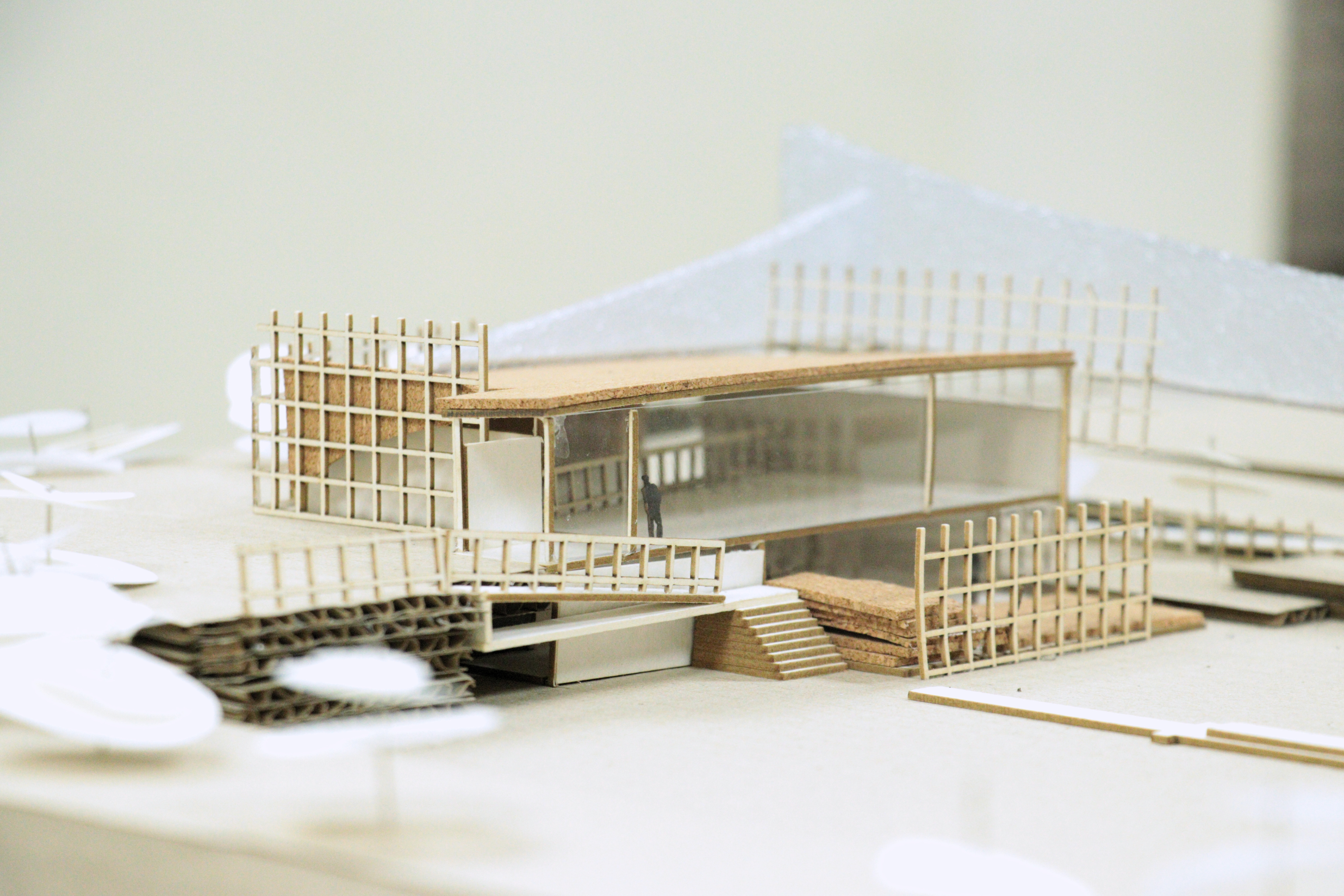
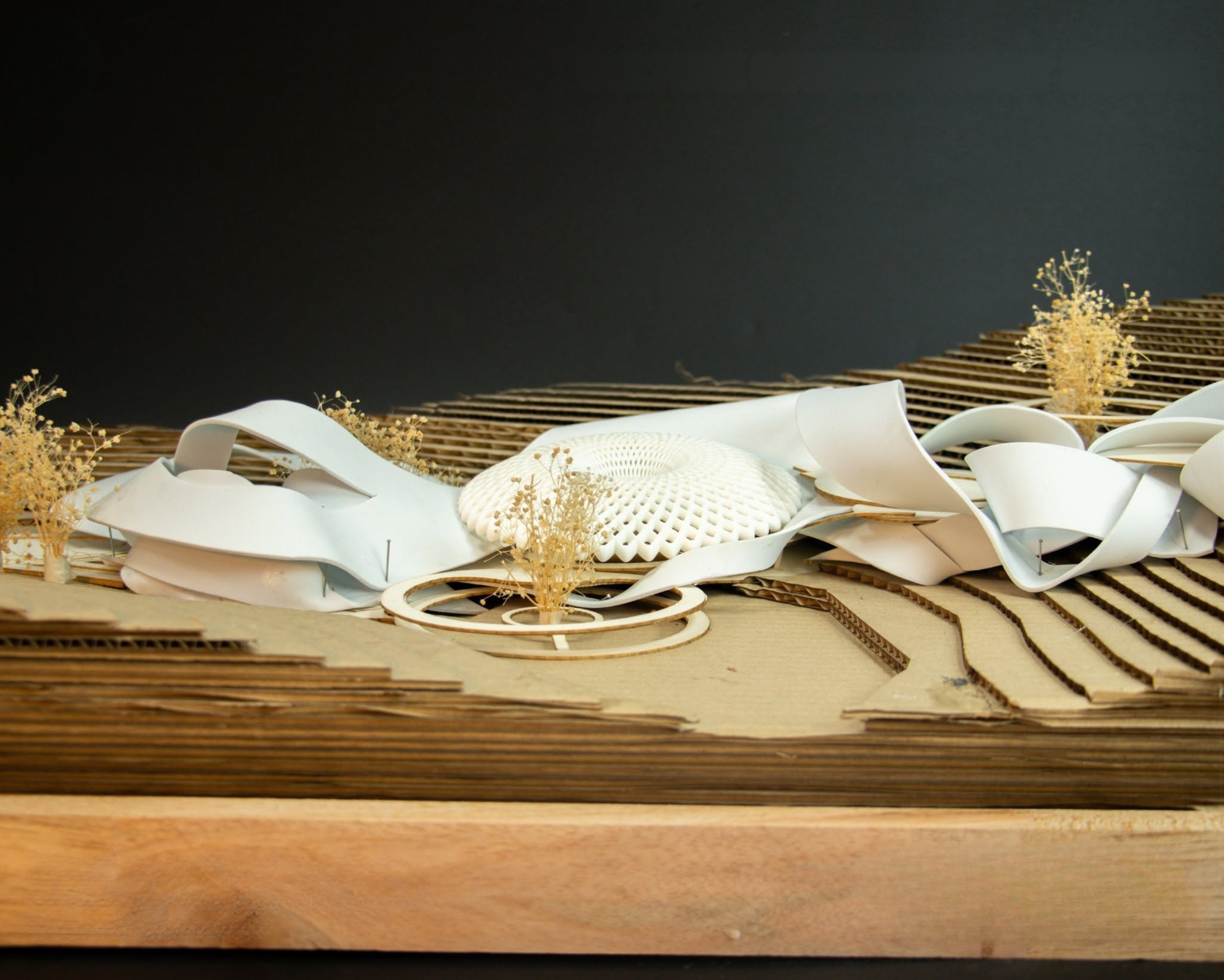
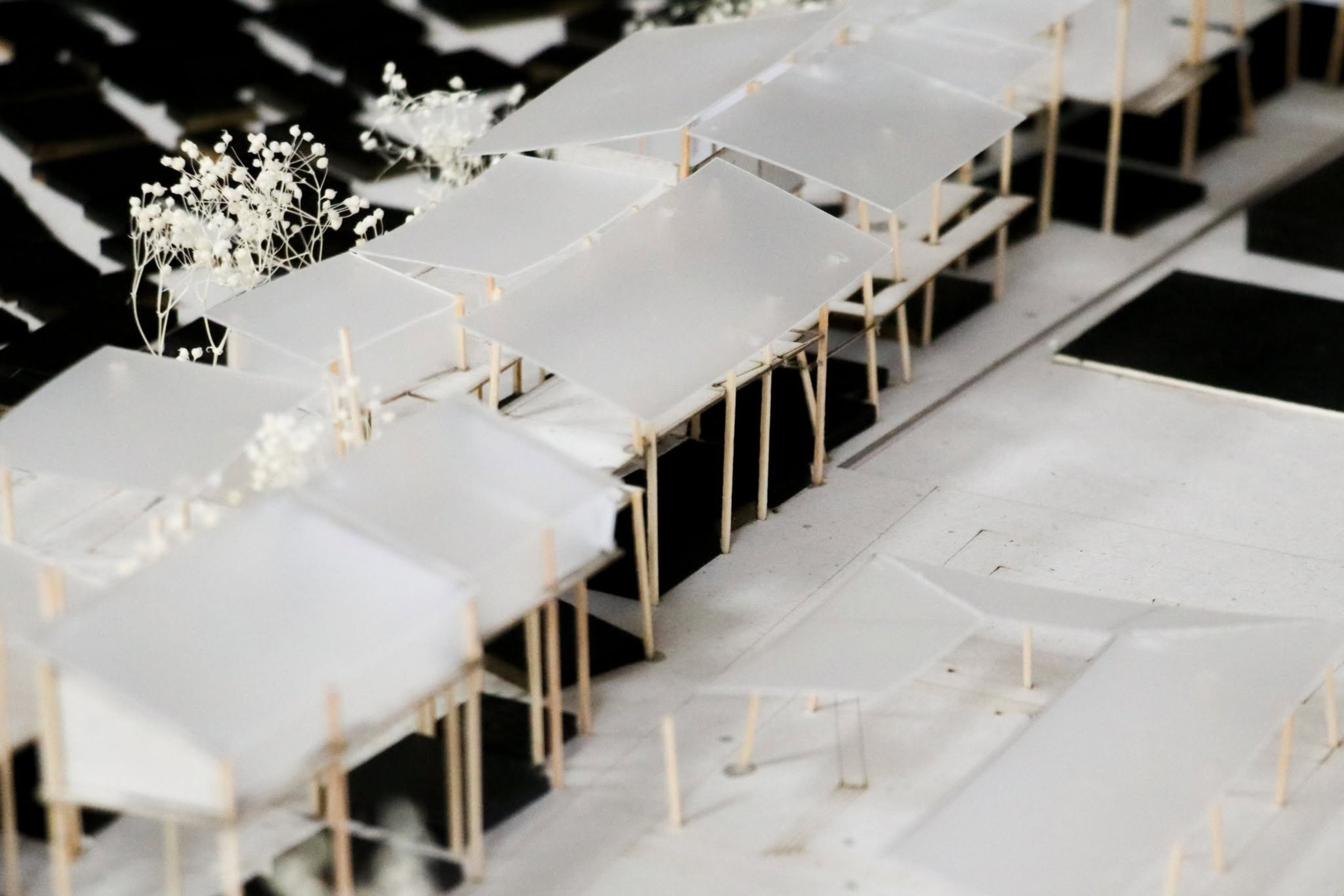
Develop foundational skills in aesthetics and design through practical training in visual arts principles, architectural drafting, and model making. Study the fundamental design processes and architectural perception, with a specific focus on space and form. Explore architectural history, basic regulations, and the impacts of geography, climate, and culture on design. Additionally, integrate supplementary studies in mathematics, physics, and the English language.
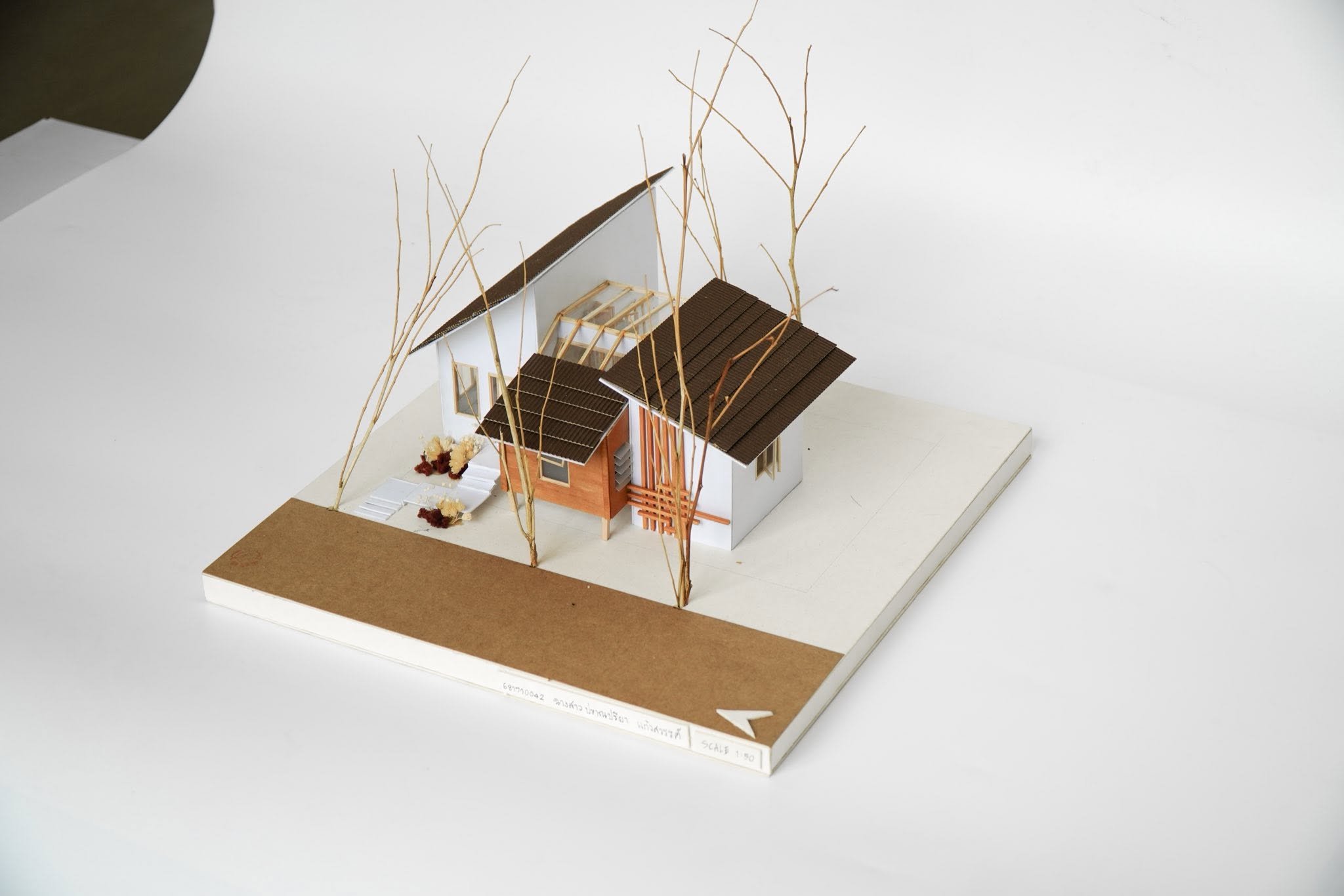
801114 Fundamental Architectural Design 2
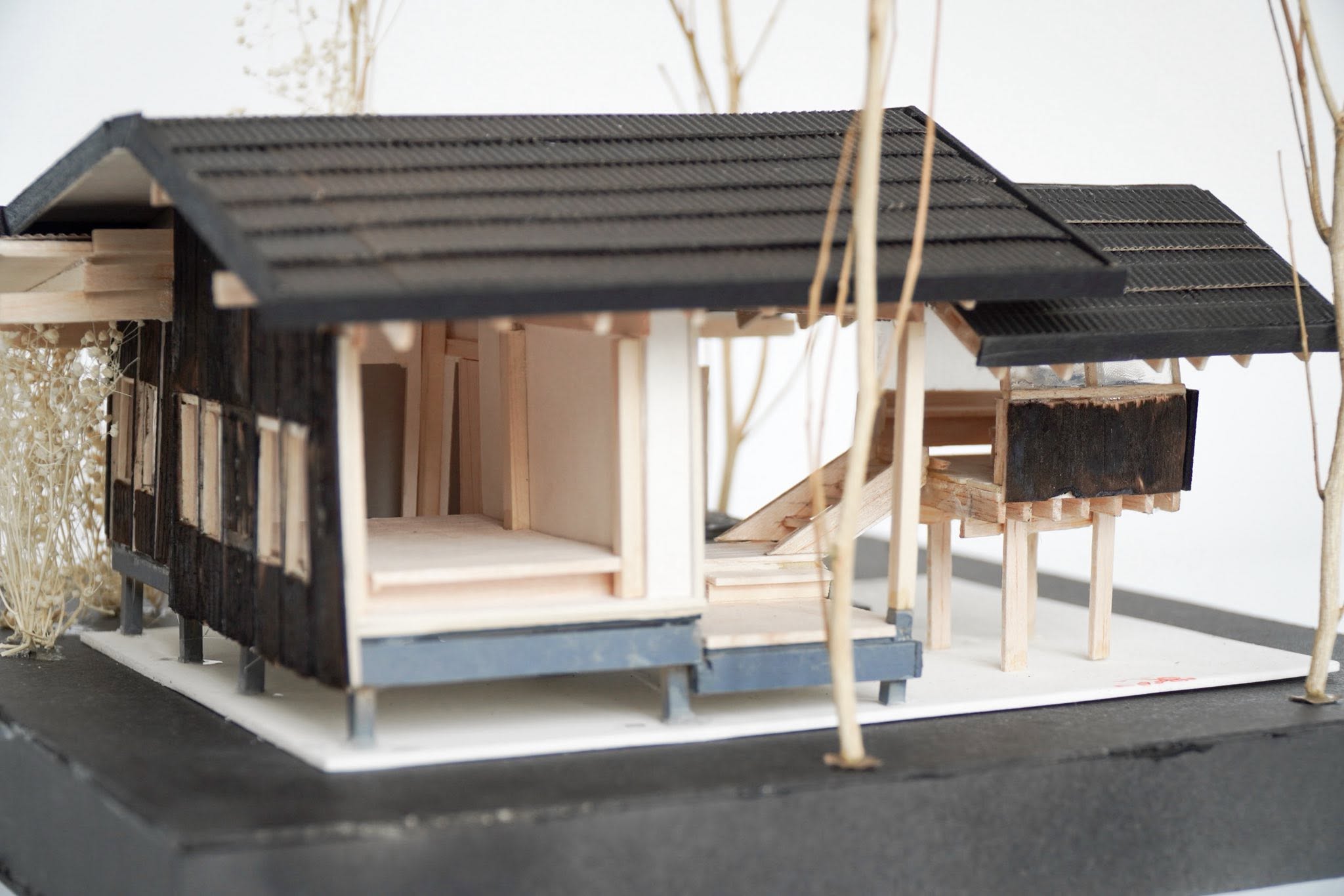
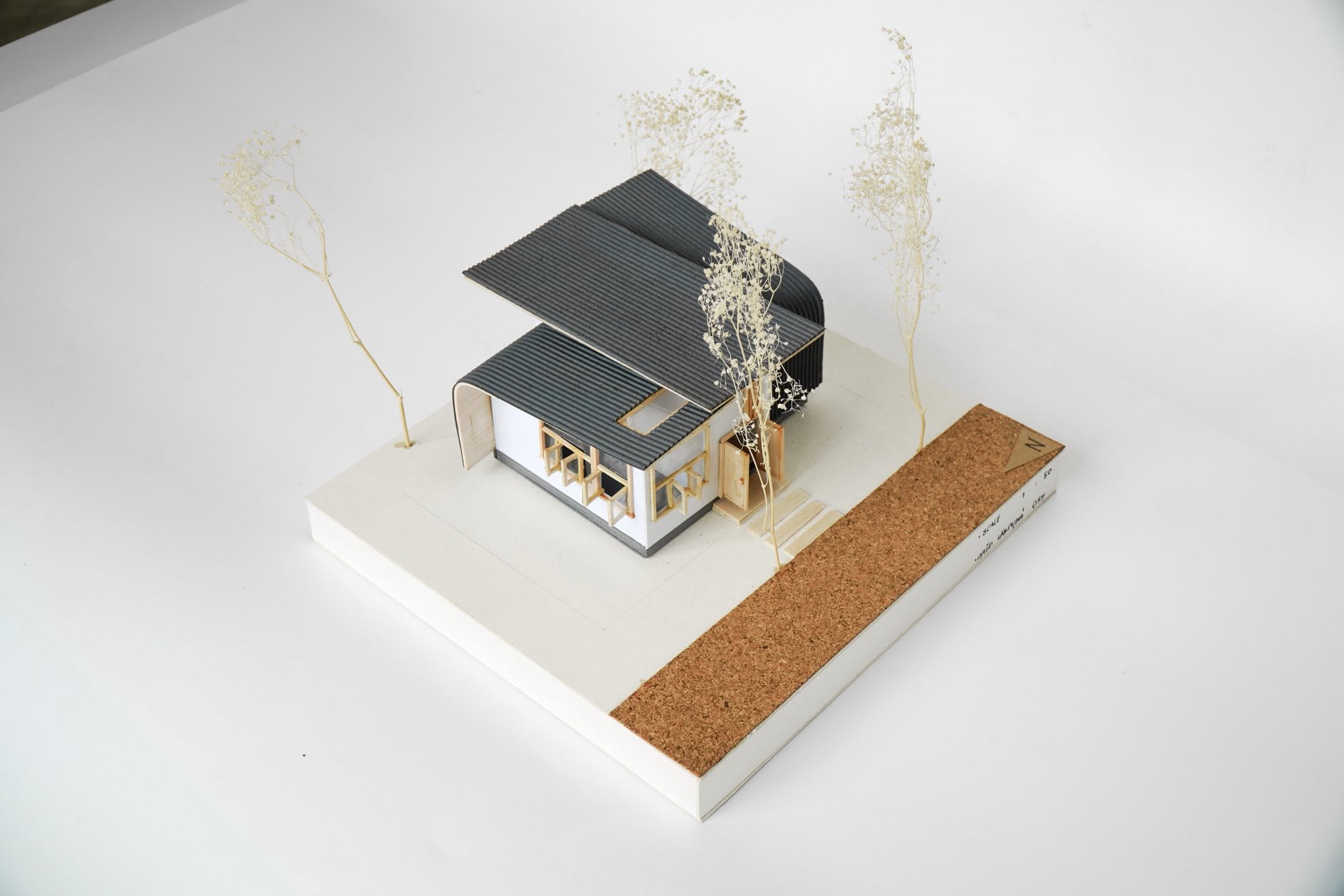
ปี2
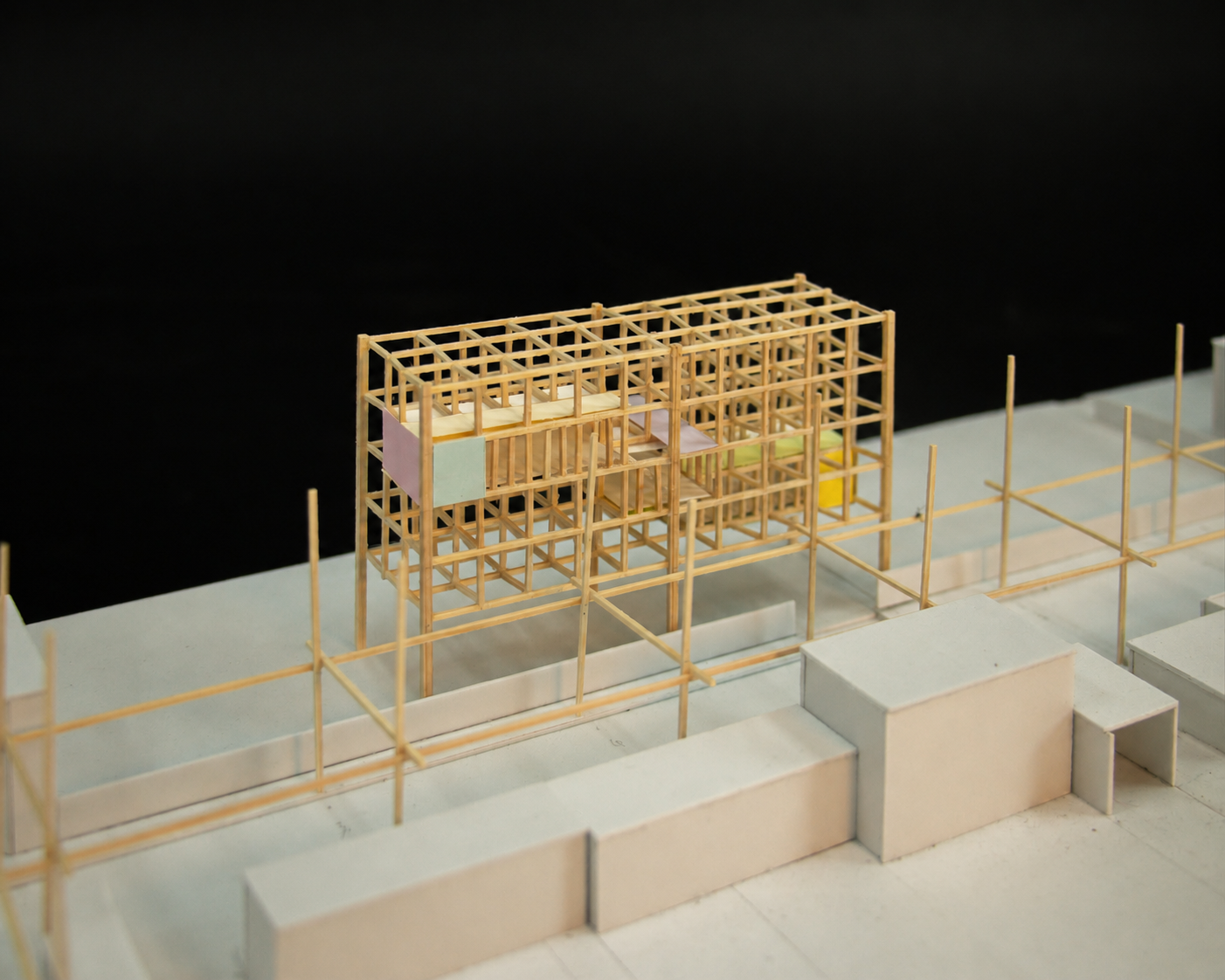
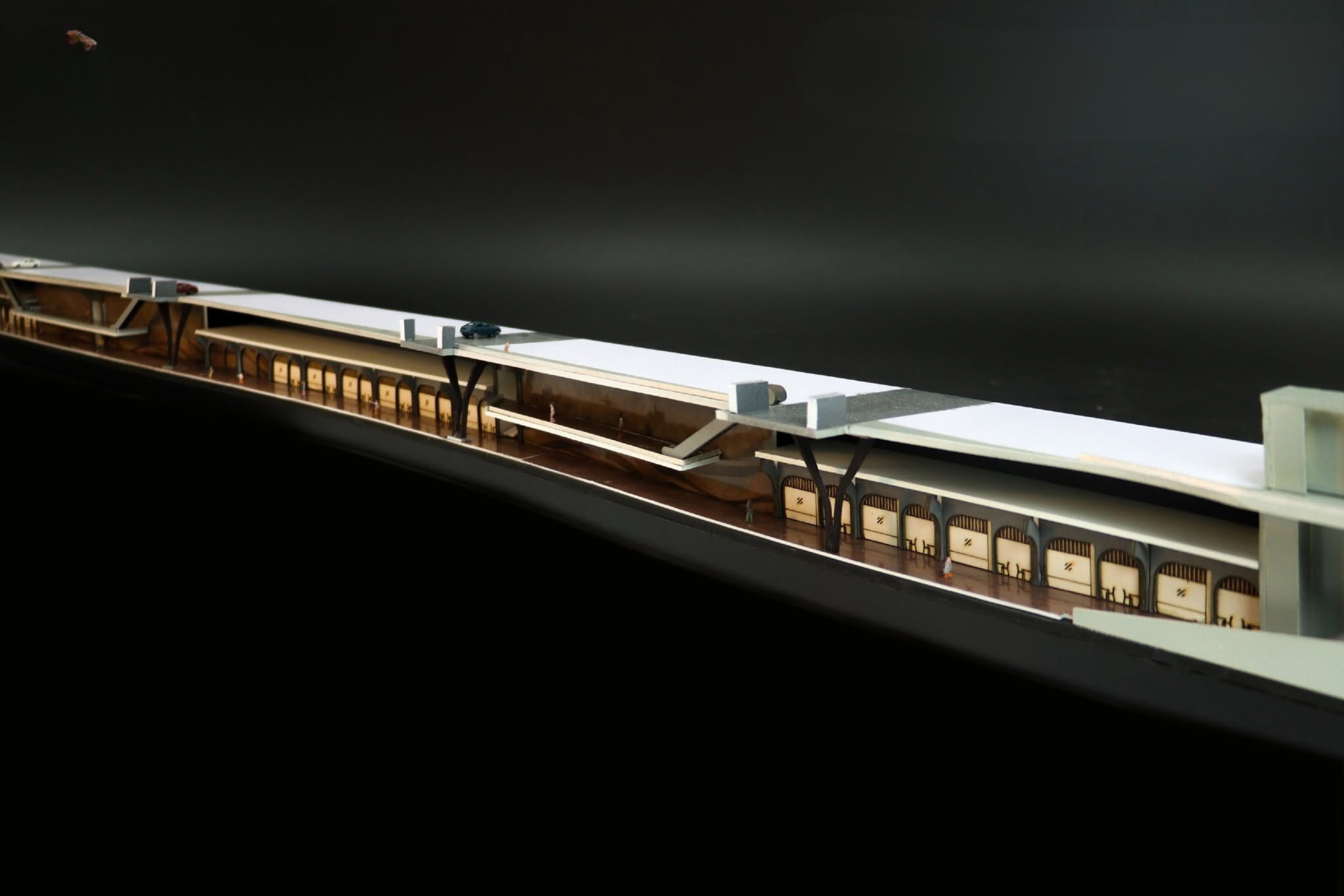
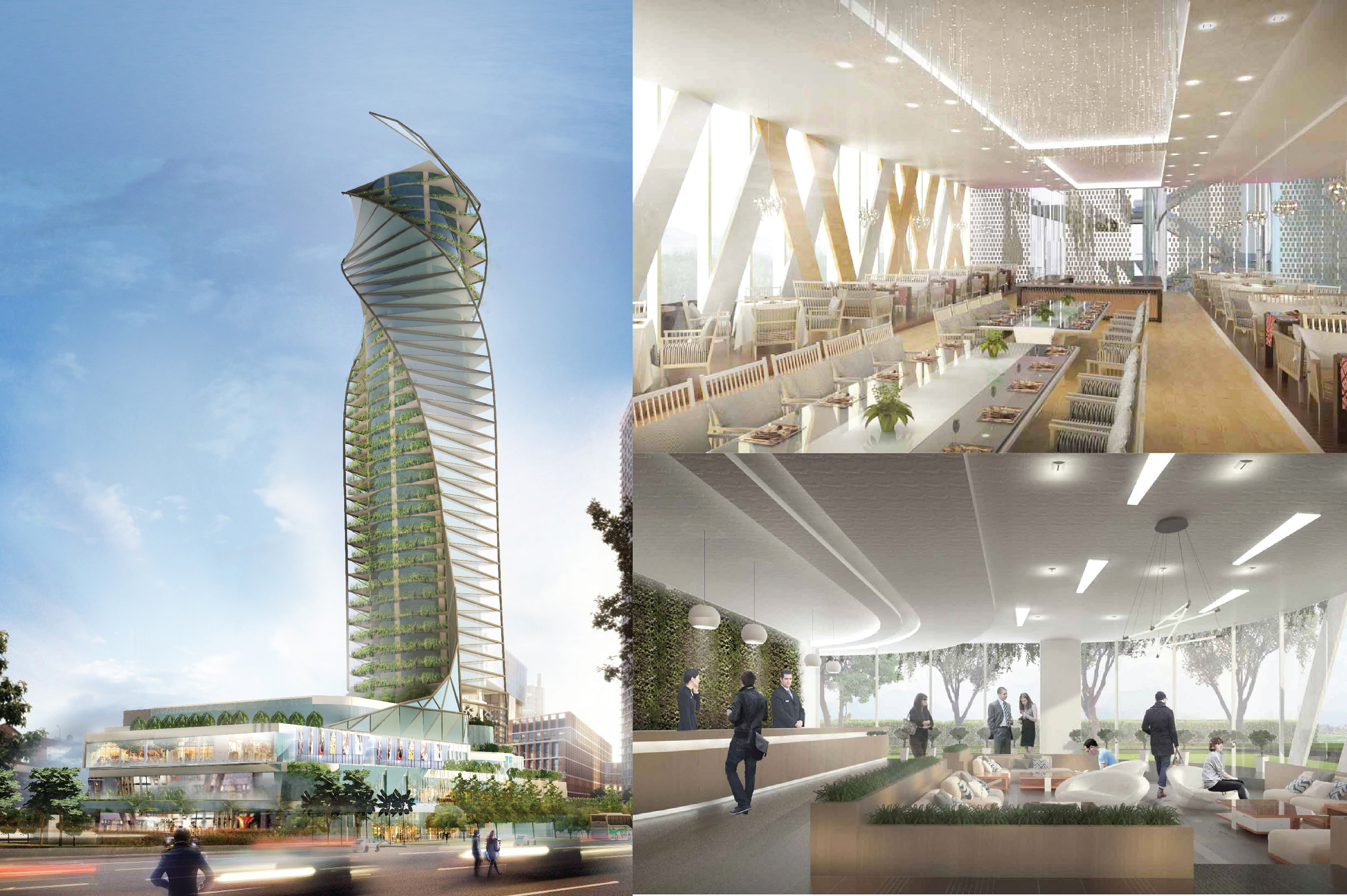
Develop logical thinking skills for creative design. Study architectural design processes that emphasize translating concepts into spatial and functional programming, utilizing rhythm, scale, proportion, and form. Concurrently, advance knowledge in architectural history and philosophy. Learn site survey, analysis, and planning, along with related professional fields, including structural foundations, materials, and architectural construction. Additionally, further enhance advanced English language skills.
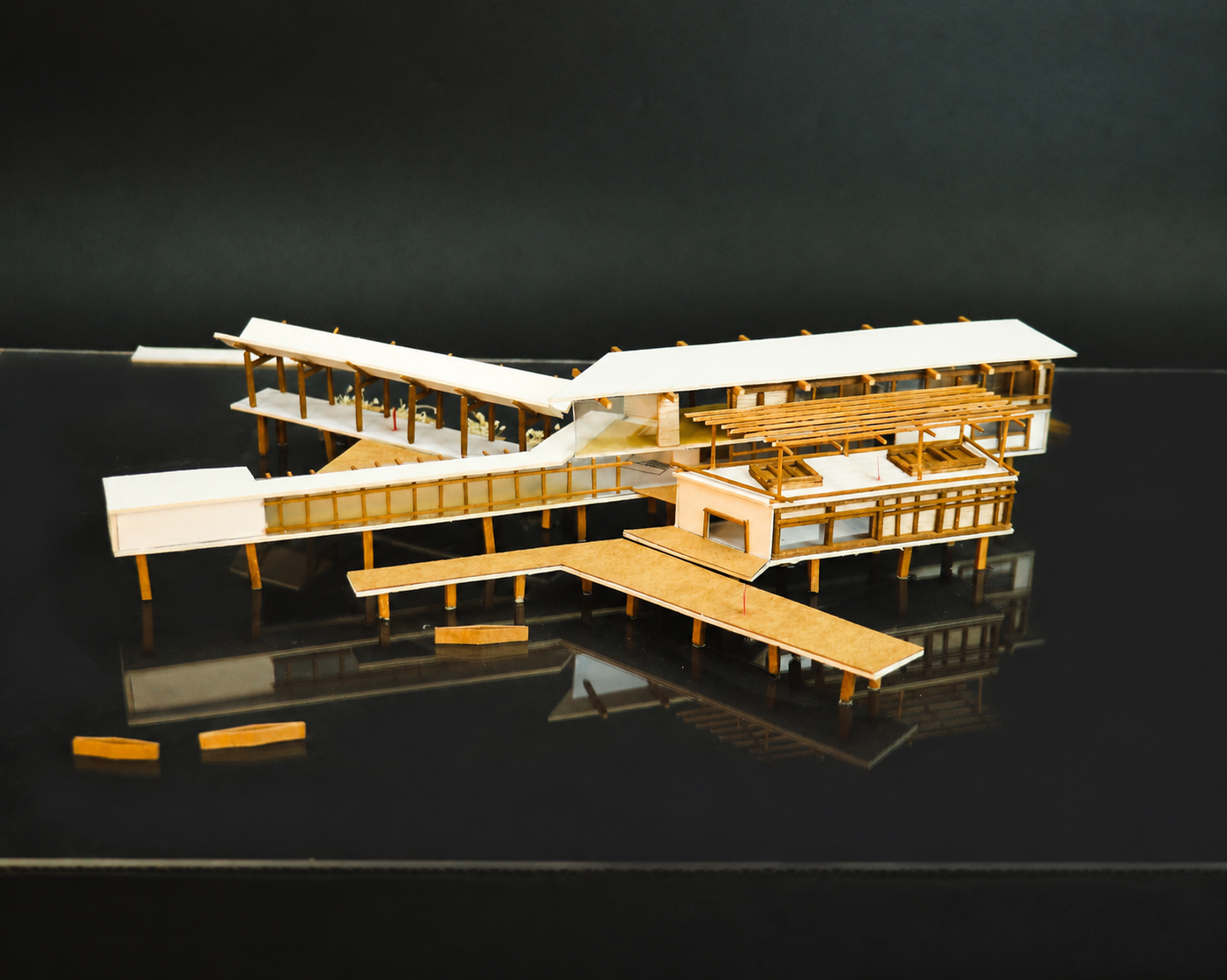
801212 Architectural Design 2
Y3
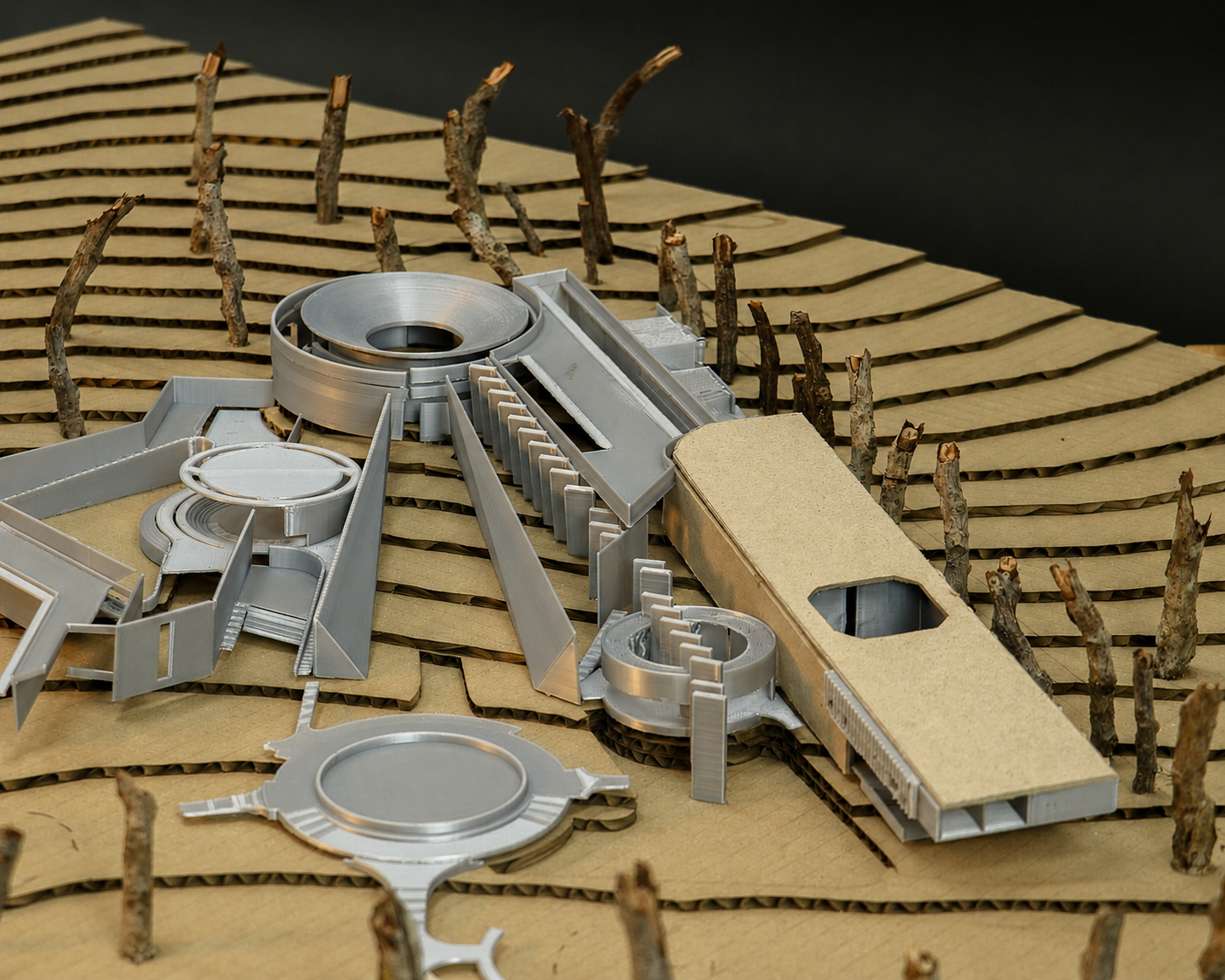
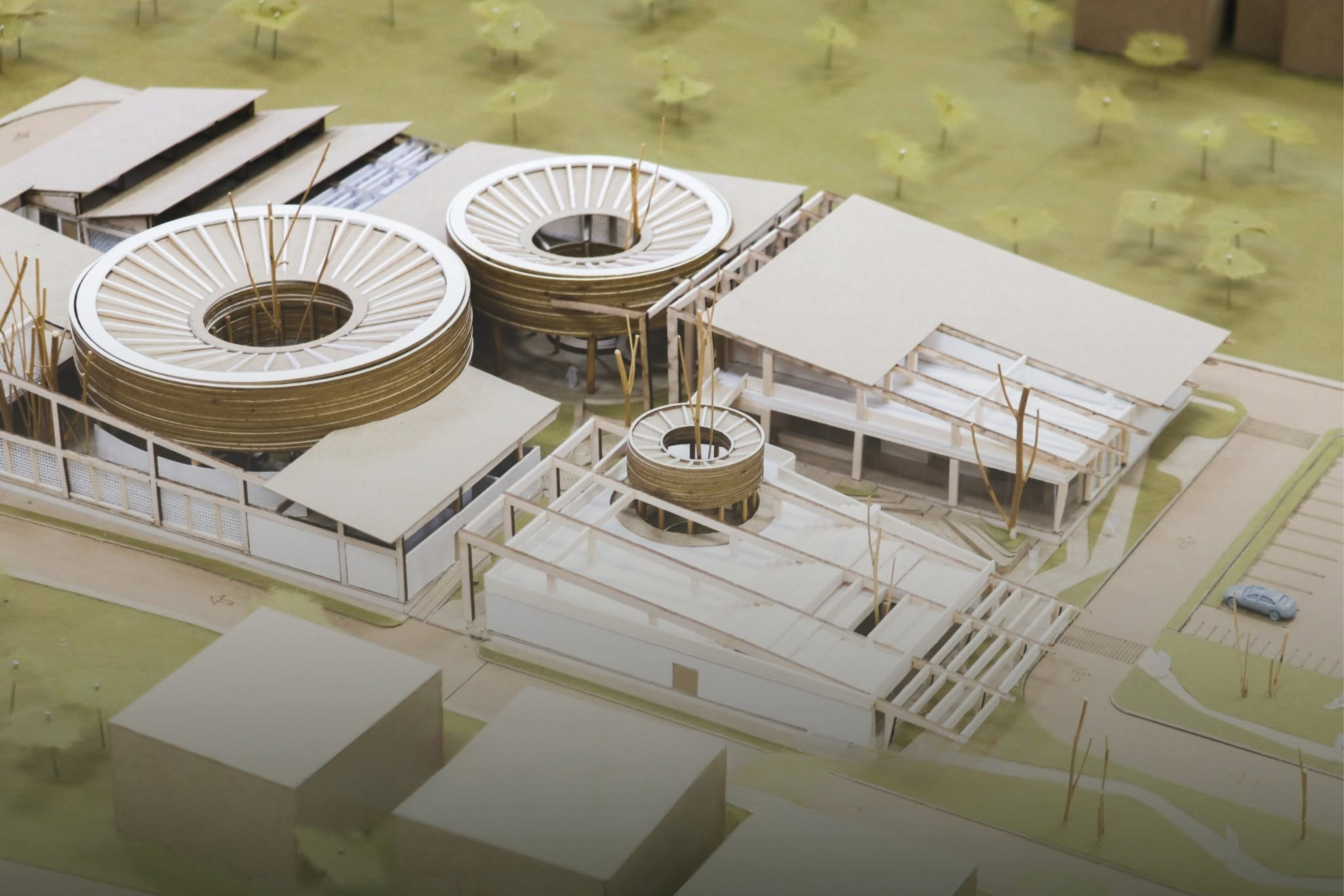
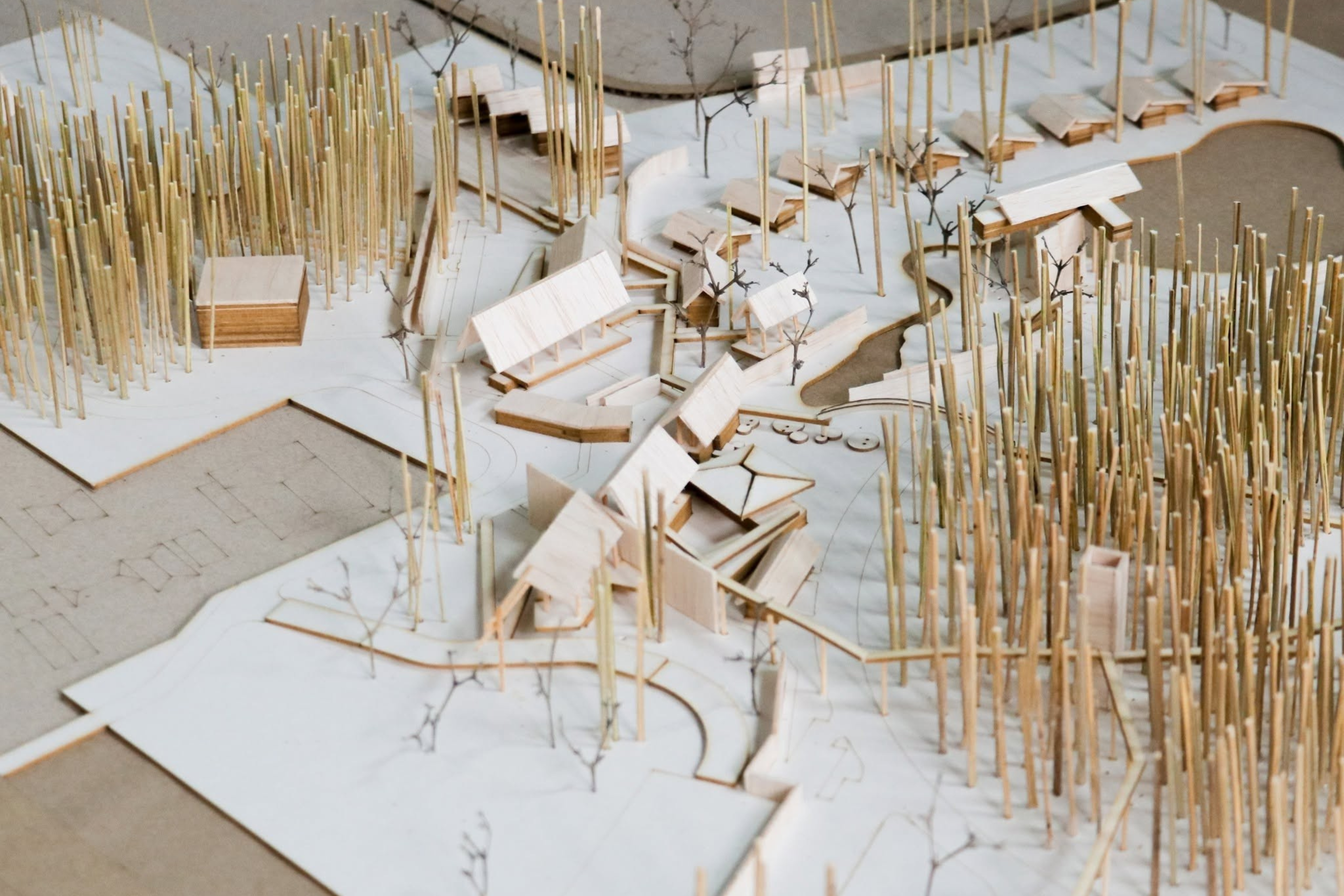
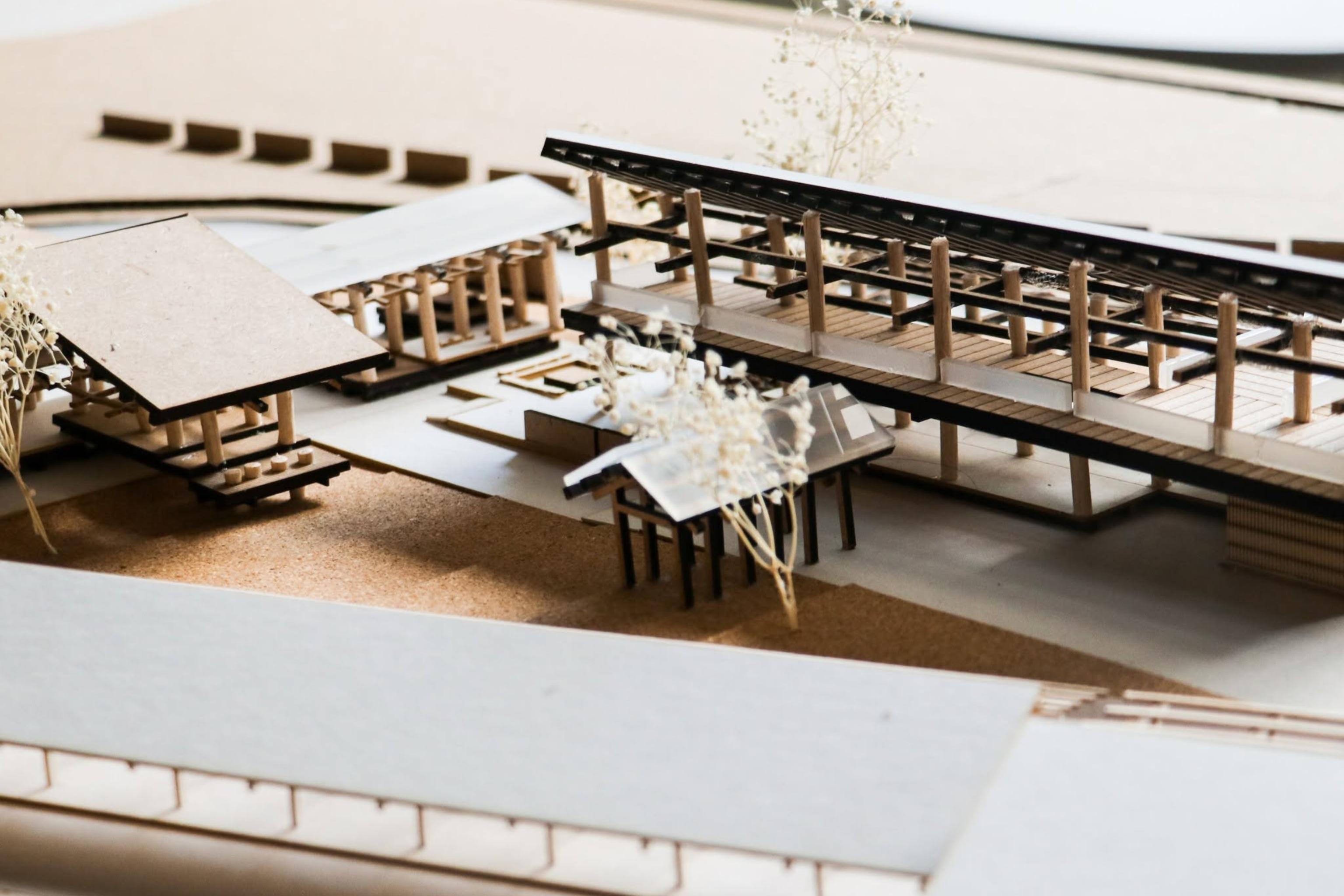
Develop creative process skills for contemporary applied design, with an emphasis on architectural designs that are highly functional and practical. Integrate the study of building engineering and energy systems. Advance knowledge through the practice of applied Thai and Lanna architectural design to establish new approaches in contemporary architecture. Utilize computer-aided design (CAD) tools, participate in hands-on construction practice, and learn site supervision, inspection procedures, material management, and construction problem-solving.

801312 Architectural Design 4
Y4
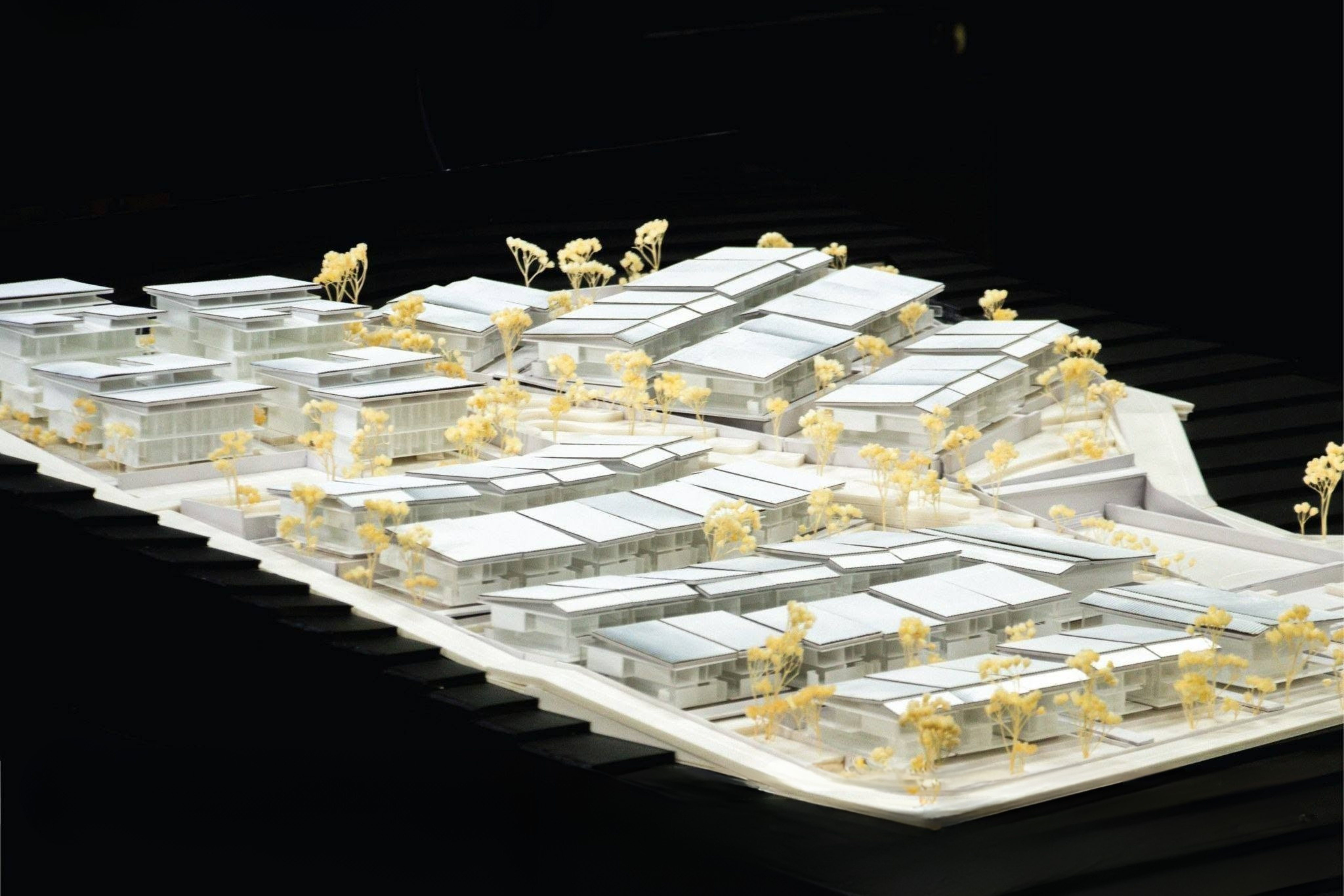
Develop integrated design and professional architectural skills. Study architectural design processes at a more complex level, architectural and community conservation, design philosophy and theory, and planning and urban design. Additionally, examine professional practice, building regulations, and project management. Engage in professional internships with licensed architectural firms and conduct independent research on a selected topic of interest in architecture.
5
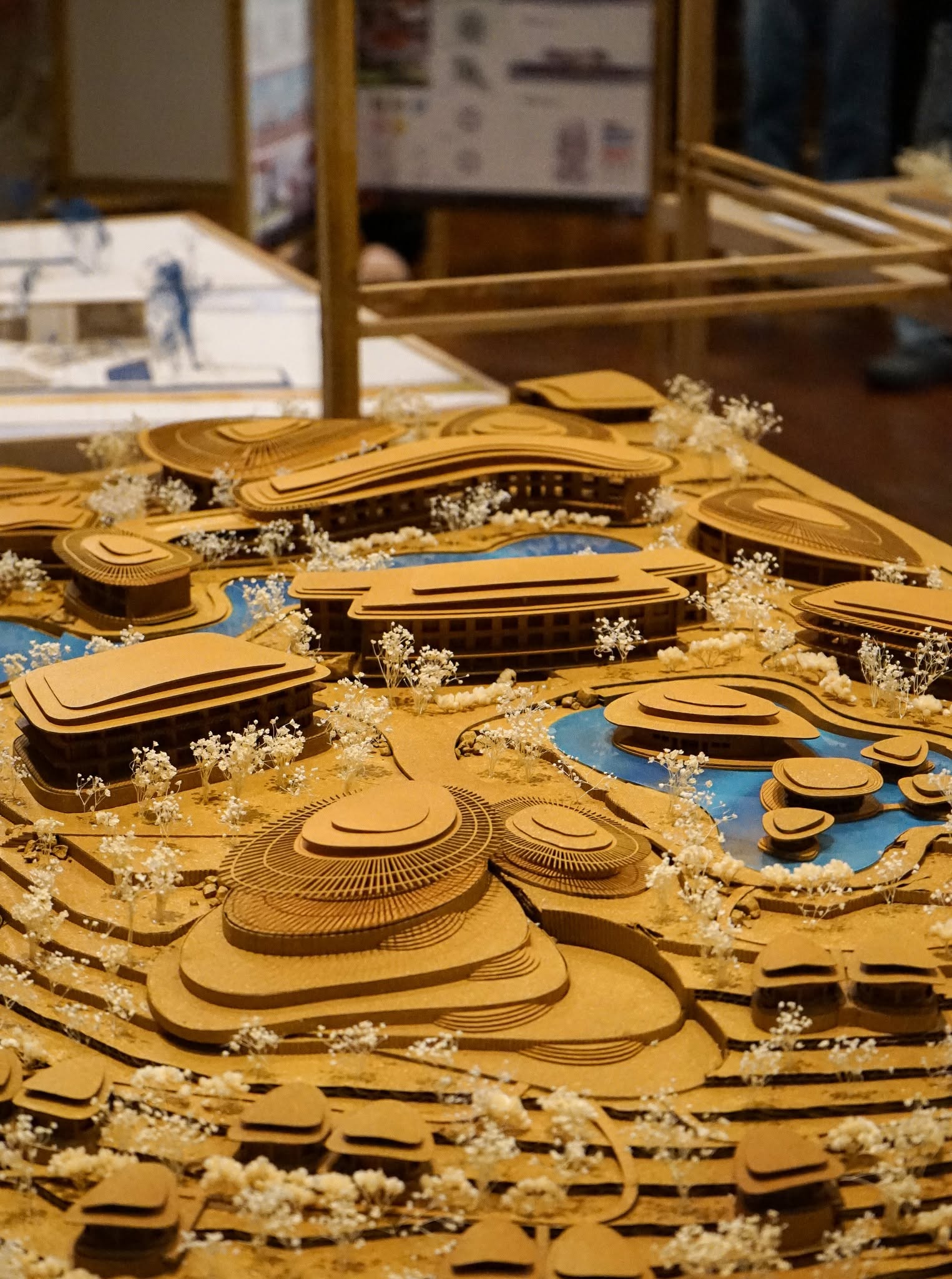
Develop research and creative design skills in accordance with professional standards, integrating these capabilities into the graduation thesis. Synthesize comprehensive knowledge to create and conclude a distinctive architectural design project, supported by academic and professional architectural research. Furthermore, broaden perspectives and diversify experiences through study trips and special activities throughout the curriculum.
801599 Thesis
Tuition Fees
30,000 บาท ต่อภาคการศึกษา
Career Paths
Architectural Profession
Creative Designers, Strategic Thinkers, and Innovators
Property Developer
Presentation Technology Specialists
Architectural Researcher
Quality Accreditation
Bachelor of Architecture Program
(Revised Curriculum, 2023)
Acknowledged by the Office of the Permanent Secretary, Ministry of Higher Education, Science, Research and Innovation (MHESI)
on 13 October 2025.
(Revised Curriculum, 2023)
Acknowledged by the Office of the Permanent Secretary, Ministry of Higher Education, Science, Research and Innovation (MHESI)
on 13 October 2025.
Social Media
Other Links
Program Faculty
Lecturer
Loading from org_id: 36