Keynote Speakers
Distinguished experts in heritage conservation, Southeast Asian history,
and cultural memory joining us at JEDICON 2026.
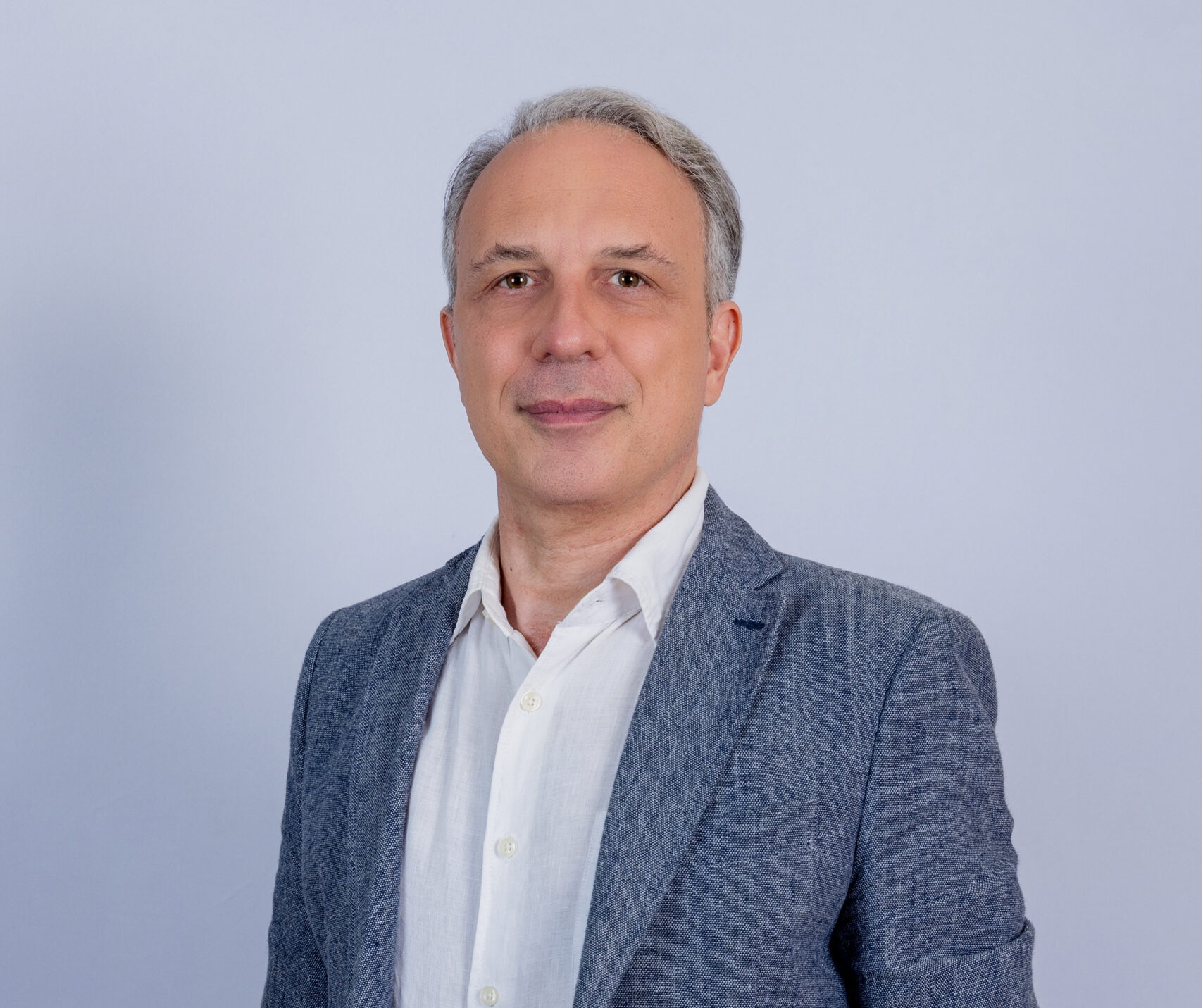
Maurizio Peleggi, Ph.D.
Maurizio Peleggi is a professor in the Department of History, National University of Singapore (NUS), and a recognized authority on Thai material culture history and heritage politics. He is the author of several articles and books, including The Politics of Ruins and the Business of Nostalgia (2002), Lords of Things: The Fashioning of the Siamese Monarchy's Modern Image (2002; Thai trans. 2024), Thailand the Worldly Kingdom (2007), Monastery, Monument, Museum: Sites and Artifacts of Thai Cultural Memory (2017), and as editor, A Sarong for Clio: Essays on the Intellectual and Cultural History of Thailand (2015). His forthcoming book, Devotional Conservation: Cur(at)ing Cult(ural) Objects, is a wide historical and anthropological investigation of the human instinct to preserve natural and manmade things. As our keynote speaker, Professor Peleggi will discuss tensions and analogies between vernacular/religious and international/secular approaches to heritage conservation.
Rohit Jigyasu, Ph.D.
As climate change intensifies existing hazards and creates new patterns of risk, the search for resilient and sustainable approaches to housing has acquired renewed urgency. Vernacular heritage offers an important, yet often overlooked, repository of knowledge accumulated through generations of adaptation to local environmental, climatic and cultural conditions. Drawing upon examples of traditional settlements and construction systems exposed to earthquakes, floods and other hazards, this keynote explores how vernacular architecture embodies principles of resilience through building form, material use, construction techniques, ecological relationships and community-based practices. Yet such knowledge is rapidly disappearing. Misconceptions surrounding traditional materials, erosion of local craftsmanship, changing aspirations, standardized engineering solutions and contractor-driven reconstruction increasingly disconnect housing from locally evolved knowledge systems. The challenge, therefore, is not simply to preserve or replicate vernacular architecture, but to critically understand, validate and adapt its underlying principles to contemporary needs and emerging climate risks. The keynote argues for moving from rediscovering traditional knowledge to understanding how it can be applied today. It calls for a productive dialogue between traditional and scientific knowledge to develop innovative, culturally sensitive and locally grounded approaches to disaster risk reduction and climate adaptation, repositioning vernacular heritage as a living resource for designing resilient futures.